
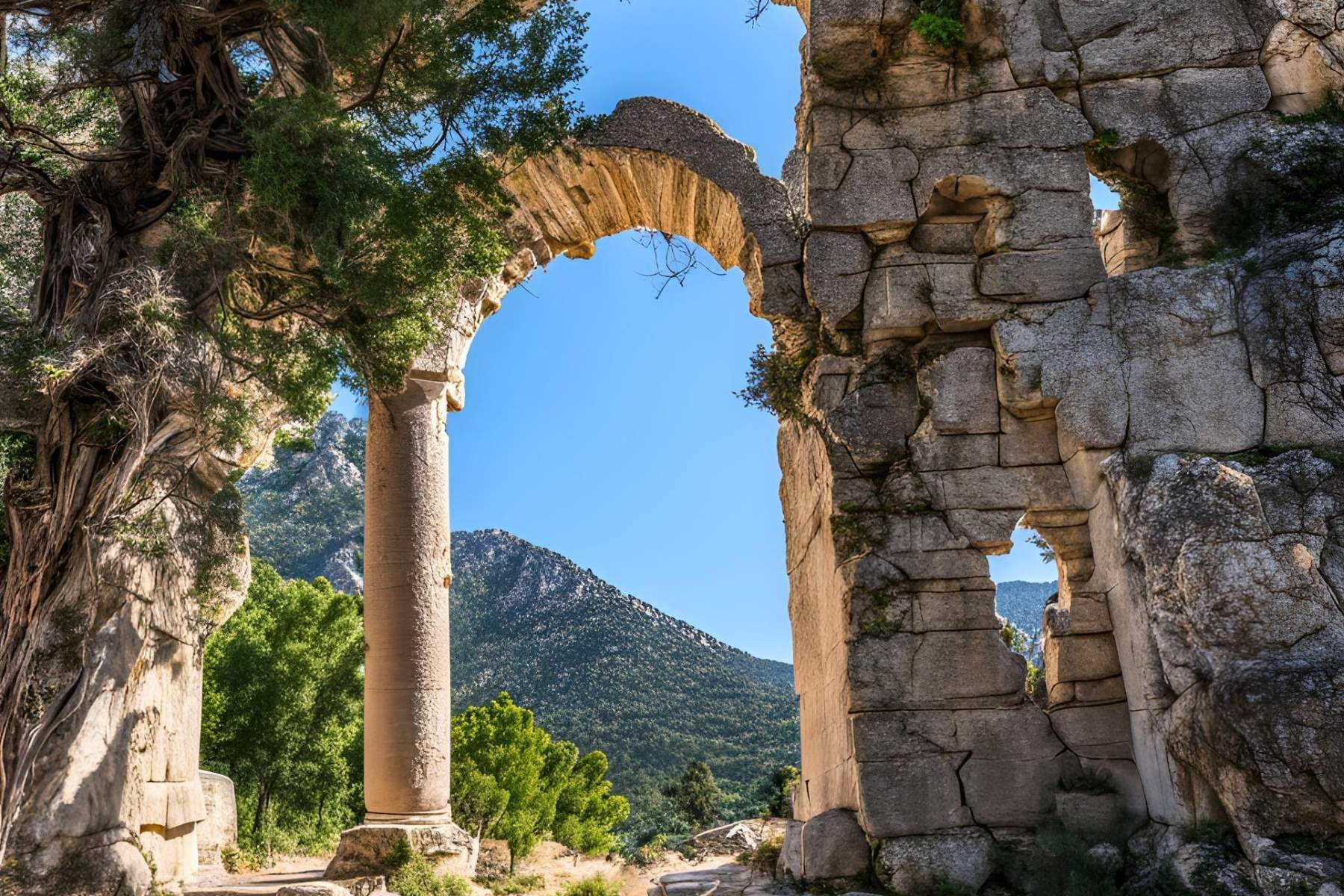
What Can You See on Lycian Way Trekking ?
Natural Landscapes on the Lycian Way
The Lycian Way offers one of the most diverse and breathtaking natural landscapes in the Mediterranean region. Stretching from Fethiye to Antalya, the trail takes hikers through a unique combination of coastal scenery, mountain terrain, and rural countryside, creating an unforgettable outdoor experience.
- Turquoise Coastline
The Lycian Way follows the famous Turkish Riviera, also known as the Turquoise Coast, where the Mediterranean Sea reveals its most vibrant shades of blue. Along the route, hikers are rewarded with panoramic views of crystal-clear waters, hidden coves, secluded bays, and pristine beaches. Many sections of the trail run high above the coastline, offering dramatic viewpoints that are among the most photographed landscapes in Turkey. - Mountains and Forests
The trail winds through the rugged terrain of the Taurus Mountains, passing dense pine forests, rocky cliffs, and expansive green valleys. These sections provide shade and cooler temperatures, especially during warmer months, and offer a peaceful escape into nature. The contrast between the mountains and the sea creates a constantly changing landscape that keeps the journey visually engaging. - Olive and Fruit Trees
As you walk along the Lycian Way, you will frequently pass through traditional agricultural areas. The landscape is dotted with olive groves, citrus orchards, and small farms where local people grow fruits and vegetables. Greenhouses and open fields are common sights, giving hikers insight into the region’s rural lifestyle and connection to the land. - Canyons and Rivers
The route also includes some of the most impressive natural formations in Turkey. Hikers can explore dramatic gorges such as Saklıkent Gorge and Göynük Canyon, where towering rock walls and flowing waters create a refreshing and adventurous atmosphere. Along the trail, you will also encounter rivers, natural springs, and mountain streams that provide both scenic beauty and opportunities to rest. - Wildlife
The Lycian Way is home to a wide variety of native wildlife. While hiking, you may encounter wild goats navigating steep terrain, tortoises crossing the path, and numerous bird species flying overhead. The diversity of flora and fauna adds another layer of richness to the hiking experience, making every step feel connected to nature.
Historical and Archaeological Sites on the Lycian Way
Beyond its natural beauty, the Lycian Way is also one of the most historically rich hiking routes in the world. The trail passes through the remains of ancient Lycian, Roman, and Byzantine civilizations, offering hikers the chance to walk through thousands of years of history.
Ancient Ruins
The Lycian Way connects many remarkable ancient cities, each with its own unique story and significance:
- Xanthos — A UNESCO World Heritage Site and the first capital of the Lycian Union, known for its historical importance and archaeological remains.
- Patara — Famous for its long sandy beach, Patara was the second capital of the Lycian Union and an important ancient harbor city.
- Olympos — A fascinating ancient city surrounded by nature, featuring well-preserved ruins and located near the eternal flames of the Chimaera.
- Myra — Known for its impressive rock-cut tombs and large Roman theater, Myra is also recognized as the birthplace of St. Nicholas.
- Phellos — A quieter and less-visited site located directly on the Lycian Way, offering impressive ruins and panoramic views over Kaş, known in ancient times as Anti-Phellos.
- Lycian Tombs
Throughout the route, hikers will encounter numerous Lycian rock-cut tombs and sarcophagi carved into cliffs and hillsides. These structures are a defining feature of Lycian architecture and reflect the unique burial traditions of the ancient civilization. - Castles and Fortresses
The trail also passes by medieval castles, ancient city walls, and defensive fortresses that once protected the region. These structures provide insight into the strategic importance of the Lycian coast throughout history. - Roman Roads and Aqueducts
In several sections, parts of original Roman roads and aqueducts are still visible. Walking on these ancient pathways gives hikers a rare opportunity to follow the same routes used thousands of years ago, adding a powerful historical dimension to the journey.
You can click here to go on tours.

Comment (0)